
Child Car Seats
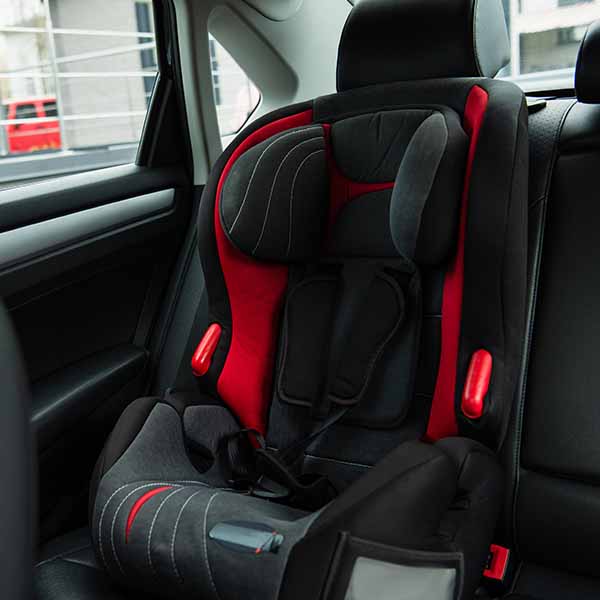
- CHILD PASSENGER SAFETY
Make Sure Every Ride Starts Safely
Redings Mill Fire District has nationally certified Child Passenger Safety Technicians (CPSTs) on staff. They are here to make sure your car seat is properly installed. If you need a new seat installed, or would like a safety check completed on a car seat, give us a call at 417-624-2715 to set an appointment.
Engineers are working hard to ensure that cars and car seats are designed to keep kids as safe as possible. But it’s up to every parent to take full advantage of these innovations by making sure car seats and booster seats are used and installed correctly. Here’s what you need to know to ensure that your most precious cargo is safe in cars.
Hard Facts
Road injuries are the leading cause of preventable deaths and injuries to children in the United States. Correctly used child safety seats can reduce the risk of death by as much as 71 percent.
Top Tips
- Seventy-three percent of car seats are not used or installed correctly, so before you hit the road, check your car seat. A quick car seat checklist can help you identify potential problems. If you are having even the slightest trouble, questions, or concerns, certified child passenger safety technicians can help or double-check your work.
- Learn how to install your car seat for free. Safe Kids hosts car seat inspection events across the country where certified technicians can help make sure your car seat is properly installed. They can also teach you how to correctly use and install the seat yourself.
- Buy a used car seat only if you know its full crash history. That means purchasing it from someone you know rather than from a thrift store or over the Internet. Once a car seat has been in a crash, it may need to be replaced.
- When adults wear seat belts, kids are more likely to wear seat belts. Set a good example and buckle up for every ride. Be sure everyone in the vehicle buckles up, too.
- Never leave your child alone in a car, not even for a minute. The temperature inside a vehicle can rise quickly and create a serious risk of heatstroke.
Find more child passenger safety information from Safe Kids Worldwide.